
Excessive gas or flatulence is a very common discomfort , suffered by everyone occasionally or repeatedly, which in most cases is not a sign of any serious illness .
However, when this symptom is accompanied by other persistent digestive changes , the question may arise: could excess gas be a sign of colon cancer?
In this article we will review what the scientific evidence says about it , in order to dispel any possible doubts regarding cancer.
However, as always, the most important thing to remember is that every case is different and that any worrying symptoms should be evaluated by healthcare professionals . In other words, regardless of what you read in this article, if you have any doubts, talk to your doctor.

What is excess gas and why does it occur?
Flatulence means gas building up in the stomach and intestines. This is very normal. On average, people pass gas 15 to 25 times a day, according to Cancer Research UK. Sometimes, sickness, the food we eat, or stress can make more gas.
The main causes of gas are:
- Swallowing air when eating or drinking too fast.
- Intestinal fermentation, when bacteria in the gut break down food that is not fully digested (this can happen with foods like beans, cabbage, and onions).
- Food intolerances, such as lactose, fructose, or gluten intolerance.
- Certain illnesses, like Irritable Bowel Syndrome (IBS), which affects how the intestines move and can cause more gas.
Gas can be uncomfortable or painful, but gas by itself does not mean cancer.
Most frequent benign causes
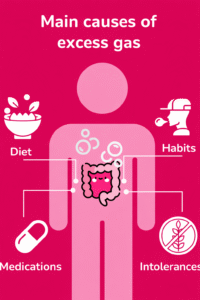
Before considering cancer, it is advisable to rule out benign and very common factors:
- Dietary habits : Sometimes foods rich in soluble fiber (legumes, oats) can ferment in the colon, producing more gas. Drinking carbonated beverages also increases flatulence.
- Habits : chewing gum, drinking with a straw, or swallowing a lot of air while eating increase the amount of gas that enters the body.
- Medications : Some antibiotics or laxatives can alter the gut microbiota (i.e., the trillions of microorganisms that populate the intestine) and increase flatulence.
- Certain digestive conditions , such as IBS or episodes of indigestion, often cause bloating and recurring gas. The same is true for food intolerances, which are accompanied by gas when eating specific foods.
If the presence of gas is accompanied by pain, which improves when it is expelled, it is usually a benign digestive problem. In some cases, it’s advisable to note whether flatulence occurs after eating certain foods (lactose, gluten, etc.), as this could indicate an intolerance. In this case, it’s necessary to consult a healthcare professional to confirm this possible diagnosis.
Excessive gas and colon cancer: What is the real relationship?
Colon cancer can manifest with persistent abdominal discomfort , including gas, bloating, or cramps. However, these symptoms are very nonspecific, common, and are usually accompanied by other signs more characteristic of this disease.
- Blood in the stool (visibly red or dark in form).
- Changes in bowel habits , such as diarrhea or constipation that lasts longer than usual.
- Sensation of incomplete evacuation .
- Unexplained weight loss or anemia
- Tiredness that does not improve with rest
In most patients with colon cancer, flatulence is not the main symptom, but rather part of a pattern of persistent abdominal discomfort . Therefore, there is no need to be alarmed by an isolated episode of gas .
However, if other worrying signs appear, it’s important to see a specialist. This isn’t necessarily due to a possible colon tumor, as these symptoms can be caused by many other medical conditions that should also be evaluated by a doctor.
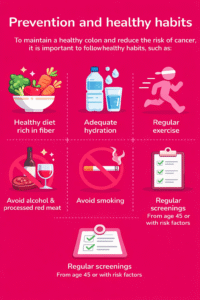
However, timely medical evaluation can be key: Early detection of colon cancer saves lives: screening tests (colonoscopy or fecal occult blood test) are recommended from age 45–50, or earlier if there is a family history.
Why gas can sometimes appear with a tumor?
Gas can sometimes appear together with a tumor because both the tumor and its treatment can change how the intestines work.
Studies of people who survived colon cancer show that gas is a common problem after treatment. It often appears together with tiredness and trouble sleeping, even months or years after diagnosis. This means gas can be caused by the tumor itself or by treatments like surgery or radiation.
When colon cancer is present, several changes in the intestines can cause more gas and discomfort.
1. Blockage in the intestine
A tumor can narrow the intestine. This slows down the movement of stool and gas. When they build up, the person feels bloated and passes more gas.
2. Changes in gut bacteria
The tumor and treatments like chemotherapy or antibiotics can disturb the normal bacteria in the gut. Some bacteria produce more gas when they break down food, which increases gas.
3. Poor absorption of food
If part of the colon cannot absorb water and nutrients well, more undigested food reaches the lower intestine. Bacteria then break it down and create gas.
4. Inflammation and fluid release
Tumors often cause long term inflammation. An inflamed intestine releases more fluid and mucus, which helps bacteria grow and produce more gas.
5. Effects of surgery or radiation
After surgery or radiation, the movement of the intestines can slow down for a time. This allows gas to collect.
6. Diet changes
After diagnosis or during treatment, people may eat more fiber or take supplements. If these changes happen suddenly, the gut may produce more gas until it adjusts.
All these reasons explain why many people with colon cancer feel bloated, heavy, and pass gas often. Eating gentle fiber foods, eating small meals often, drinking enough water, and sometimes using probiotics or medicines can help reduce discomfort. Always talk to your doctor if you have concerns.
Prevention and healthy habits
Conclusion
Too much gas is rarely a sign of colon cancer on its own. However, if gas comes with other long-lasting symptoms such as bleeding, major changes in bowel movements, constant pain, or weight loss, it is important to see a doctor. Early testing and diagnosis greatly improve treatment success if cancer is found. Lastly, Keeping healthy habits and watching for warning signs are the best ways to care for your digestive system.